
The Internet of Things is transforming industries by bridging the gap between physical operations and digital intelligence. From smart factories and connected medical devices to building automation and consumer electronics, IoT enables organizations to capture real-time data, automate responses, and improve operational visibility at scale.
Sequoia delivers end-to-end IoT engineering services — spanning device firmware, edge computing, cloud connectivity, and enterprise platform integration. We help organizations design, build, and scale connected device ecosystems that generate actionable intelligence across operations.
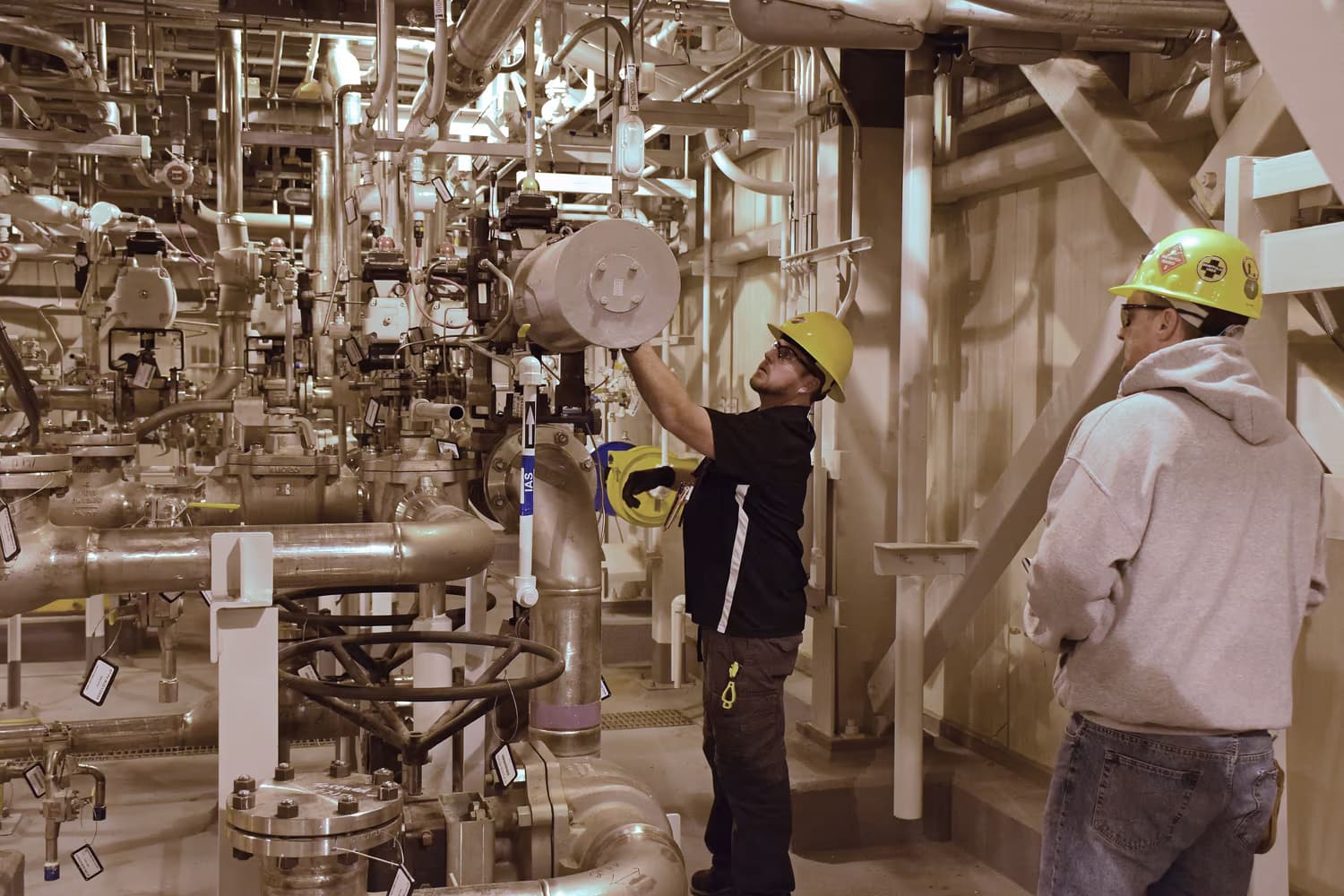
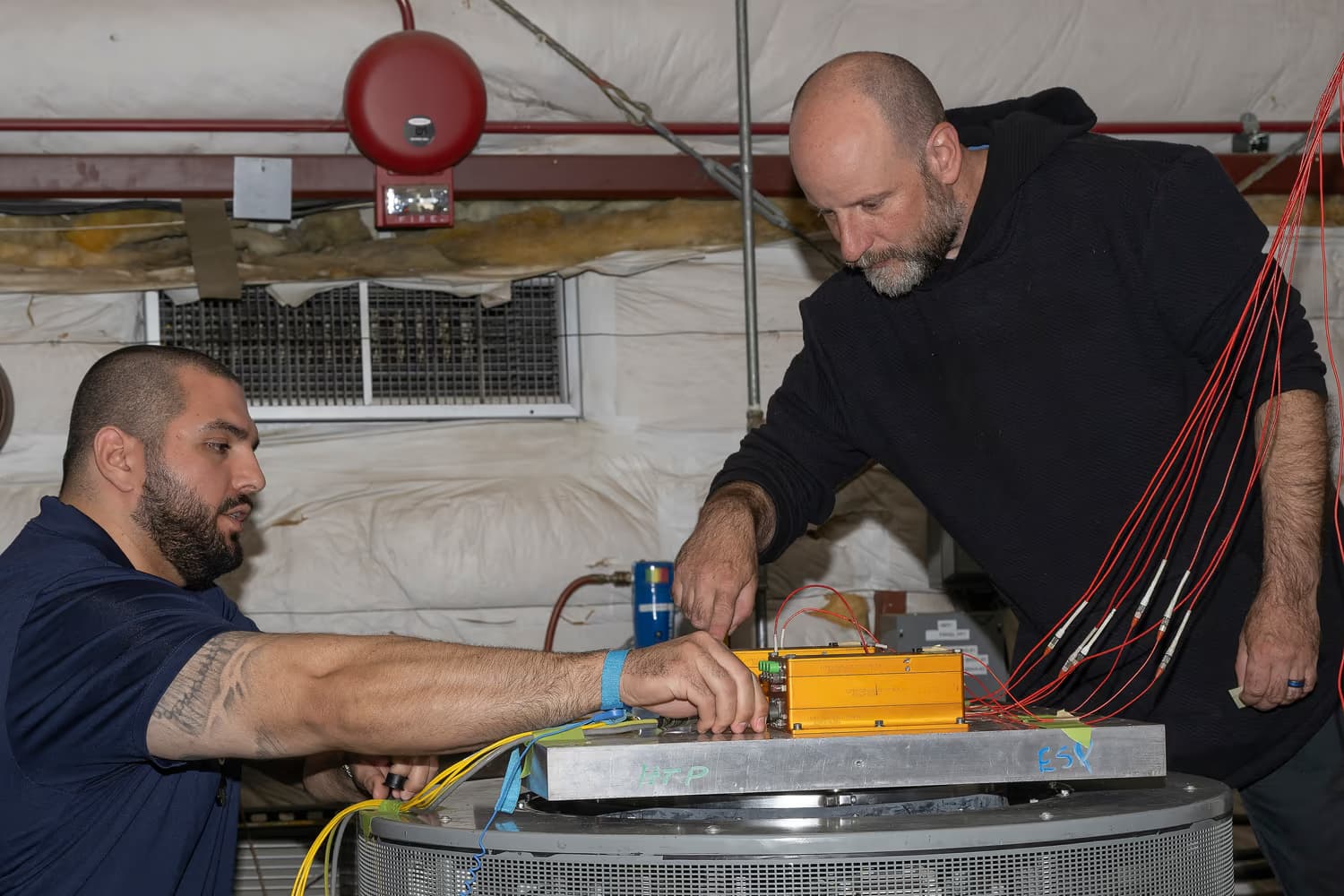
We design end-to-end IoT architectures that connect thousands of devices, edge nodes, and cloud platforms into a unified, real-time operational intelligence ecosystem. Our architecture practice prioritizes scalability, latency, and security — ensuring your IoT platform can grow from pilot to enterprise scale without structural rework.
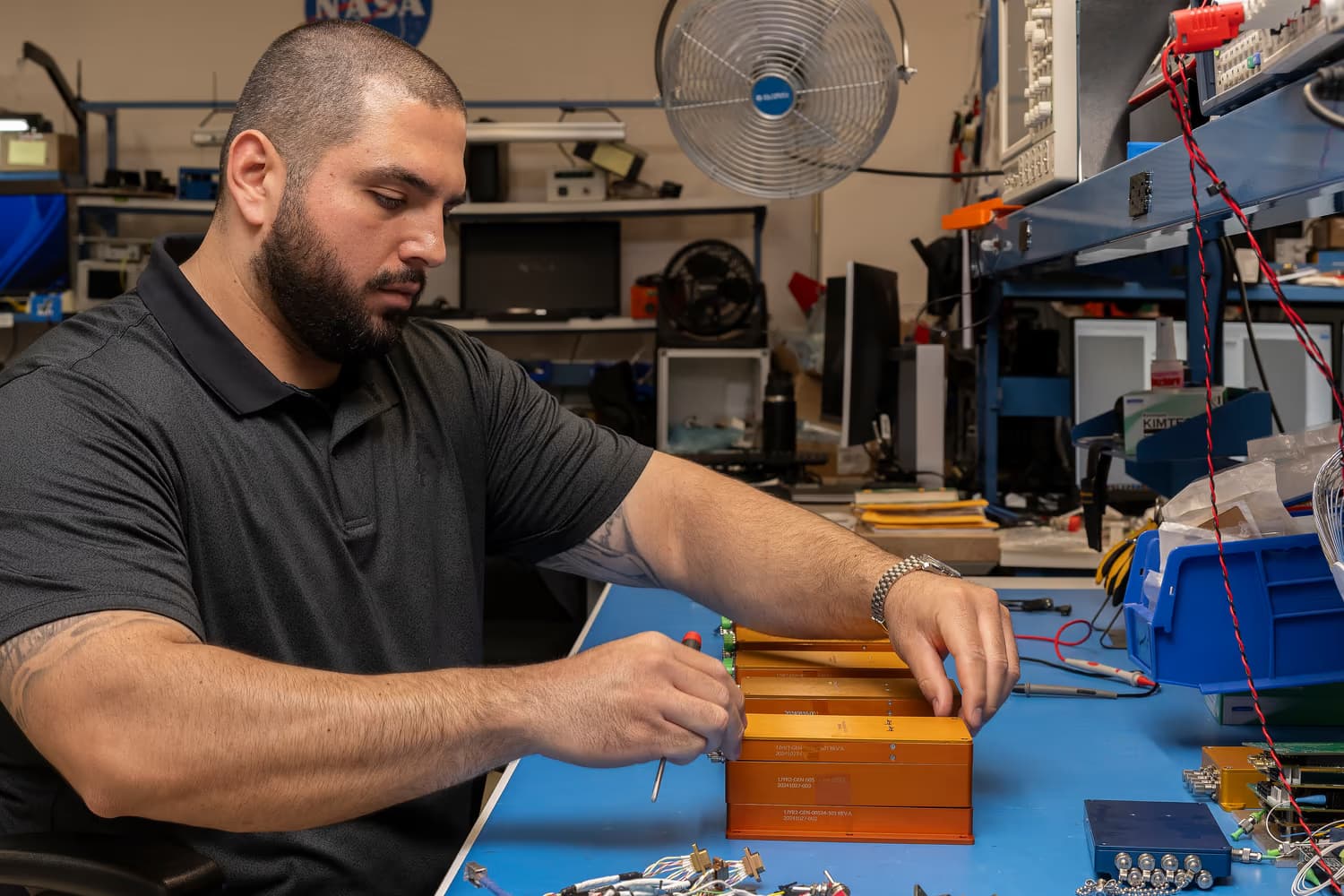
We deploy edge computing frameworks that move intelligence closer to the source of data — enabling real-time processing, faster response times, and reduced reliance on cloud bandwidth. Our edge solutions are purpose-built for manufacturing, utilities, and logistics environments where milliseconds of latency matter and connectivity is intermittent.
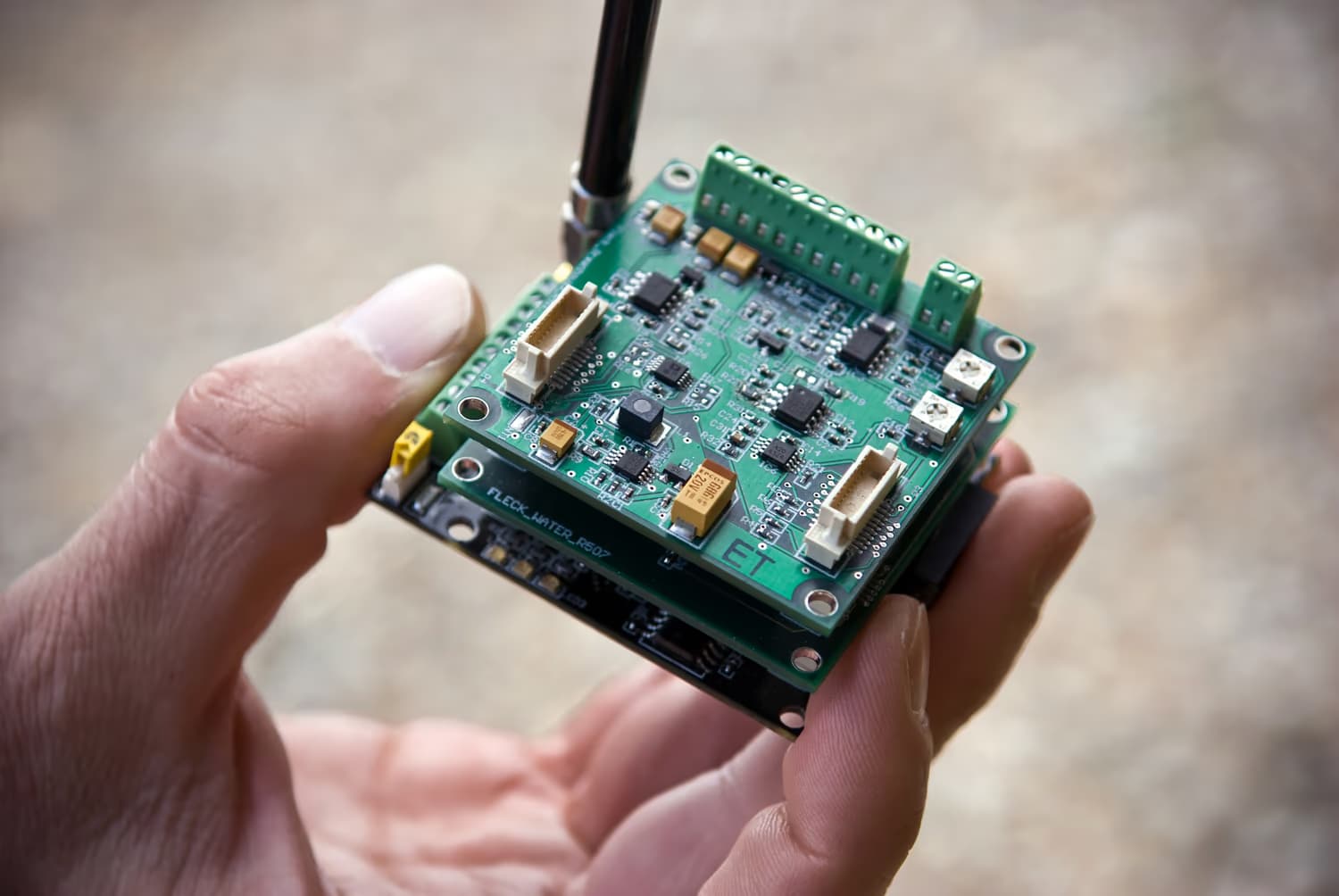
We engineer robust device connectivity layers that support the full range of industrial and consumer IoT protocols — including MQTT, CoAP, Modbus, OPC-UA, and proprietary device interfaces. Our protocol abstraction frameworks integrate heterogeneous device ecosystems into a single, unified data platform without requiring hardware changes.
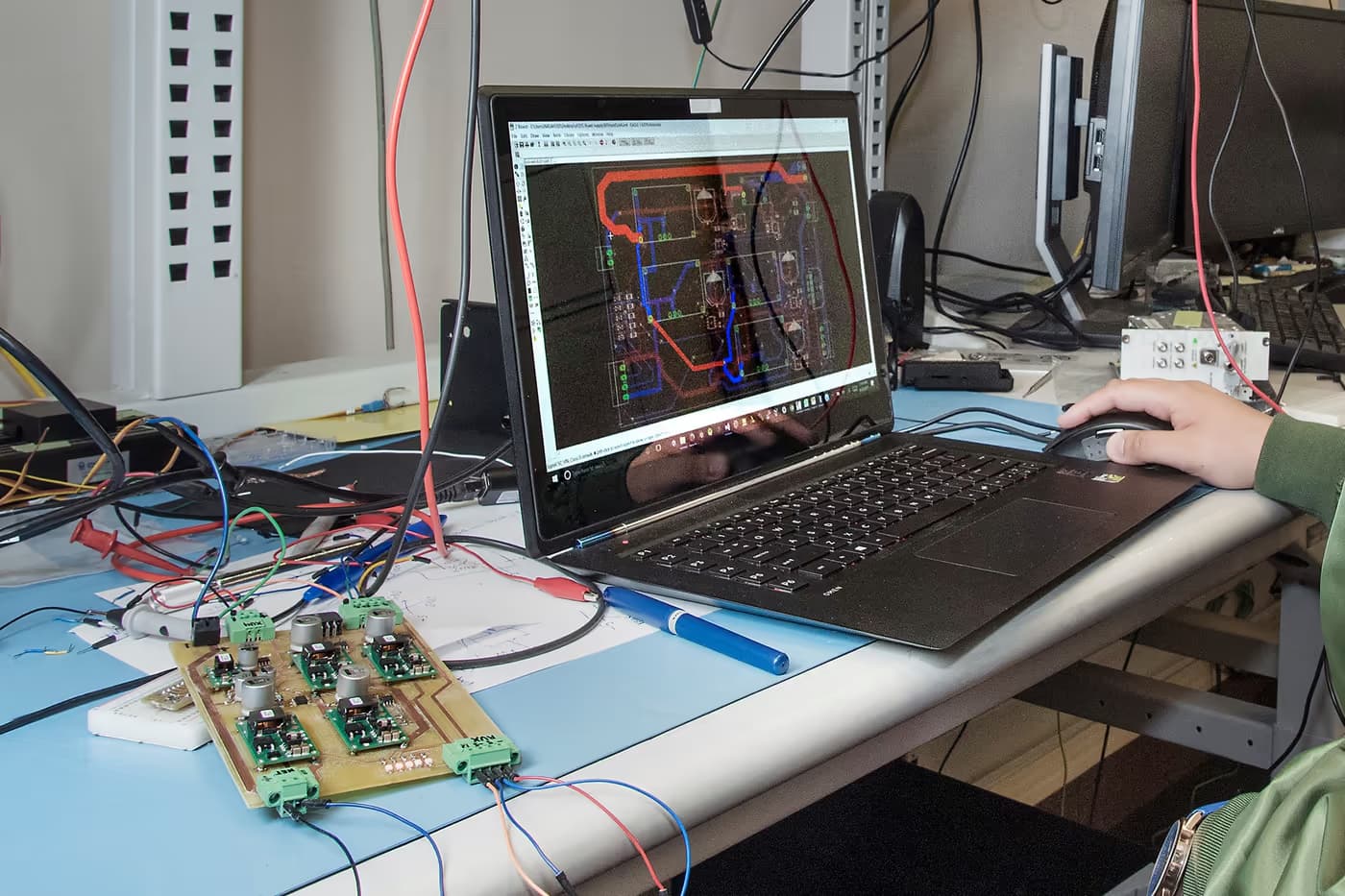
We integrate IoT data streams with enterprise platforms including ERP, MES, and analytics environments — transforming raw device telemetry into operational dashboards, automated alerts, and AI-powered insights. Our integration frameworks ensure IoT data flows reliably into the business systems where it drives decision-making and measurable operational improvements.
We design end-to-end IoT architectures that connect thousands of devices, edge nodes, and cloud platforms into a unified, real-time operational intelligence ecosystem. Our architecture practice prioritizes scalability, latency, and security — ensuring your IoT platform can grow from pilot to enterprise scale without structural rework.
We deploy edge computing frameworks that move intelligence closer to the source of data — enabling real-time processing, faster response times, and reduced reliance on cloud bandwidth. Our edge solutions are purpose-built for manufacturing, utilities, and logistics environments where milliseconds of latency matter and connectivity is intermittent.
We engineer robust device connectivity layers that support the full range of industrial and consumer IoT protocols — including MQTT, CoAP, Modbus, OPC-UA, and proprietary device interfaces. Our protocol abstraction frameworks integrate heterogeneous device ecosystems into a single, unified data platform without requiring hardware changes.
We integrate IoT data streams with enterprise platforms including ERP, MES, and analytics environments — transforming raw device telemetry into operational dashboards, automated alerts, and AI-powered insights. Our integration frameworks ensure IoT data flows reliably into the business systems where it drives decision-making and measurable operational improvements.
Defining connectivity goals, device requirements, and data flows before selecting architecture patterns.
Designing the device-edge-cloud topology, protocol stack, and data pipeline architecture for your use case.
Building and testing embedded firmware, device drivers, and hardware abstraction layers.
Connecting device data to enterprise platforms, analytics systems, and operational dashboards.
Deploying device management platforms with OTA updates, health monitoring, and fleet scaling capabilities.
From embedded firmware to cloud-connected analytics platforms, our IoT practice covers the full hardware-to-cloud technology stack.
Designing end-to-end IoT solutions that balance real-time performance, scalability, and security requirements.
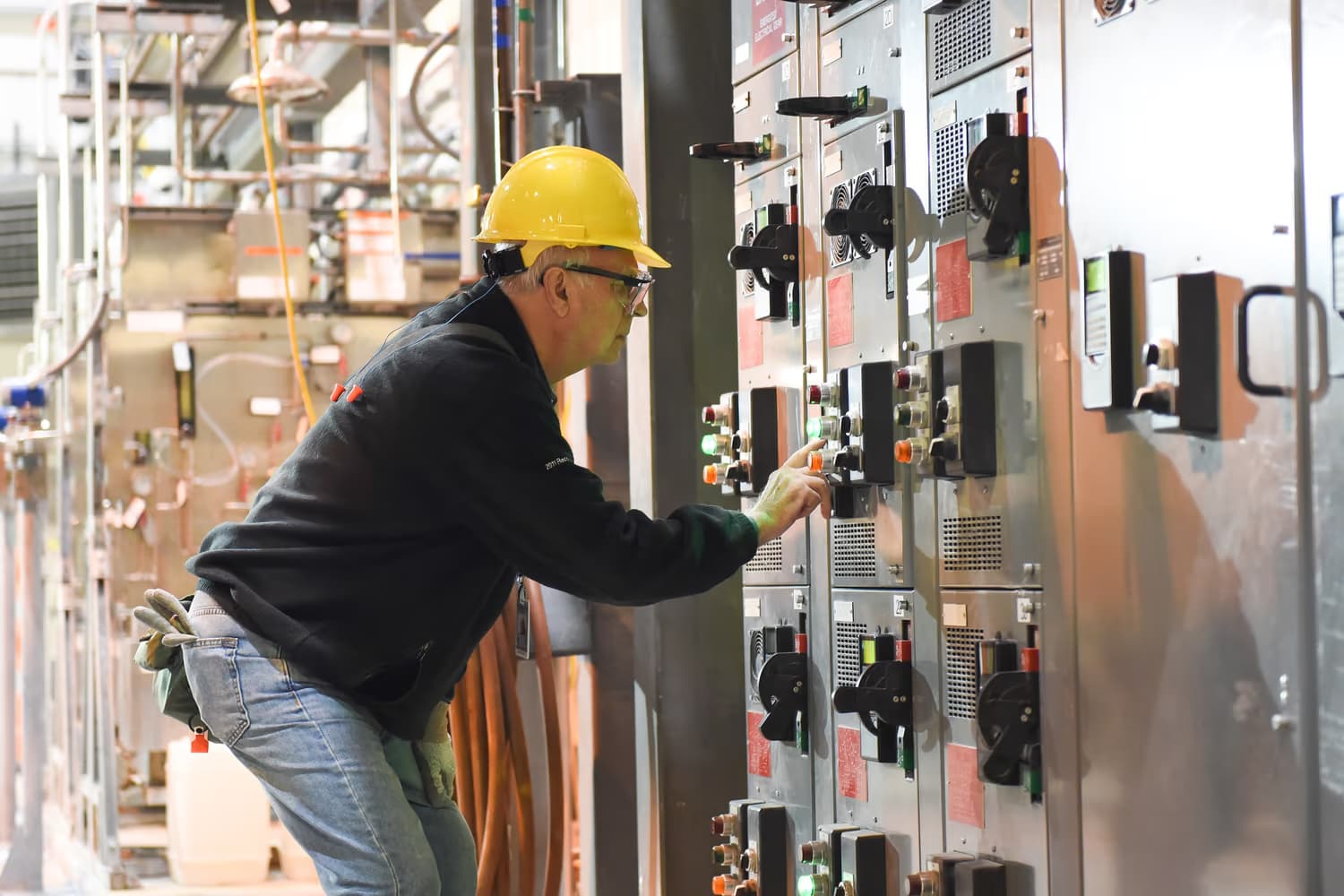
Connecting manufacturing equipment and sensors to real-time dashboards that improve OEE and reduce unplanned downtime.
Read case studyDeploying IoT-powered condition monitoring systems that anticipate equipment failures before they impact production.
Read case studyTracking assets, inventory, and shipments in real time across distributed logistics and warehouse environments.
Read case studyIntegrating building sensors, HVAC, lighting, and security systems into unified facility management platforms.
Read case studyOrganizations that deploy well-architected IoT systems gain real-time visibility, faster response times, and measurable operational efficiency improvements.
60%
Reduction in manual monitoring overhead through connected sensor networks and automated alerting.
45%
Improvement in operational efficiency across connected industrial and logistics environments.
30%
Reduction in operational costs through predictive maintenance, automated monitoring, and elimination of manual inspection workflows.

Connected technologies, scalable infrastructure, and intelligent operational systems are shaping the next generation of digital transformation across industries.
Schedule a Consultation